Notes from the build.
Plain-English posts on what we learn building software and AI for small businesses.
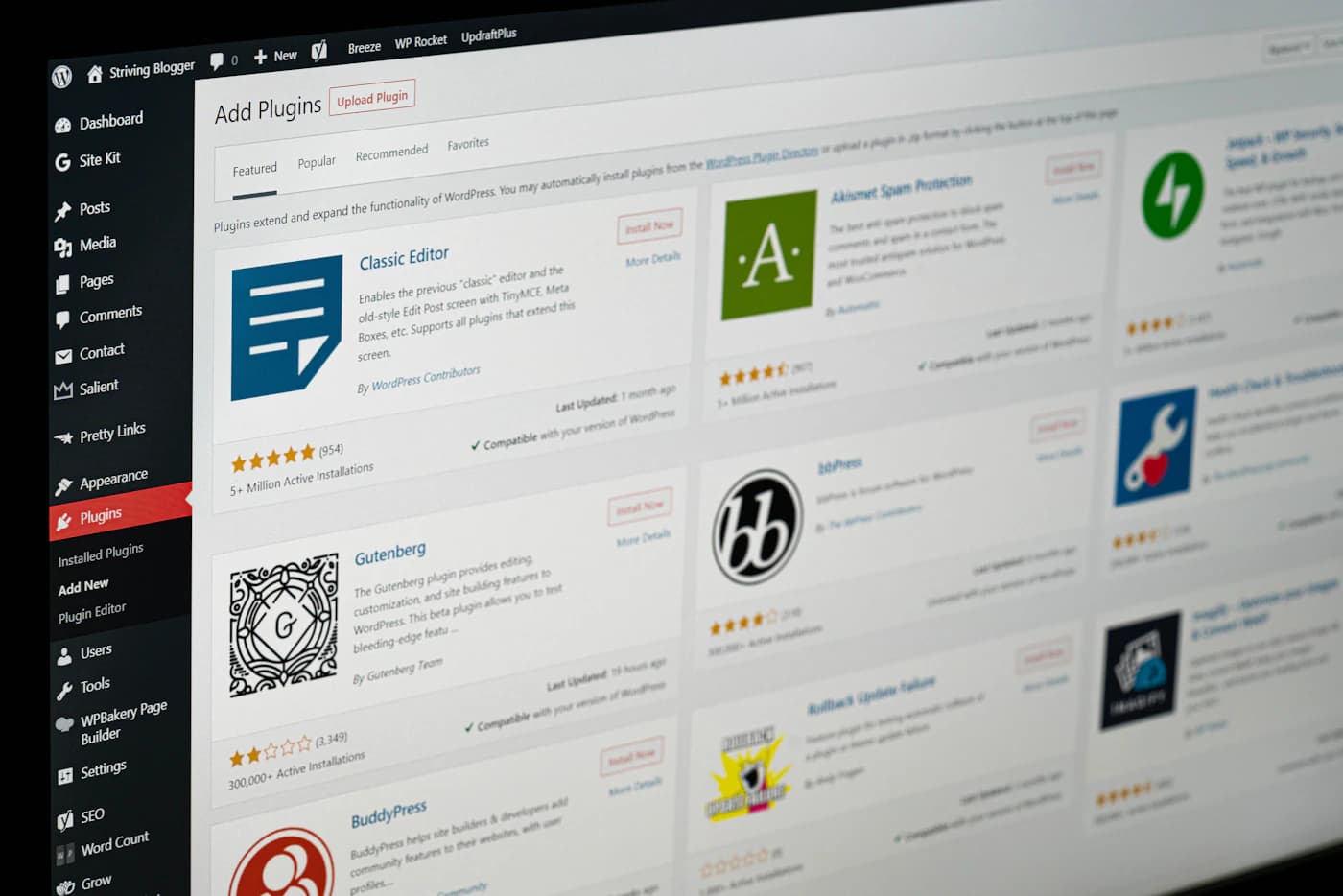
Choosing a CMS for a business website: WordPress, Payload or headless
How to pick a content management system: when WordPress is fine, when a code-first CMS like Payload fits better, and what to check before you commit.

Full-stack web development: the stack we use and why
Next.js and TypeScript on the front, FastAPI for AI services, Postgres for data, and the testing and hosting choices that keep a small team fast and safe.

How a fixed-scope software project runs, from first call to launch
What happens at each stage of a fixed-price software project: the first call, the written scope, design, build in short steps, launch and support.

How a voice AI agent answers a phone call, step by step
What happens between the first ring and a booked appointment: telephony, a realtime speech model, tool calls and the guardrails that keep it reliable.

RAG explained: how AI search answers from your own documents
Retrieval-augmented generation in plain English: how documents are split, searched and cited, how permissions are kept, and how to tell if answers are right.

Superintelligence: what it is, what it is not, and what to do now
A plain-English guide to narrow AI, general AI and superintelligence, why nobody can give you a date, and the practical steps a business can take today.
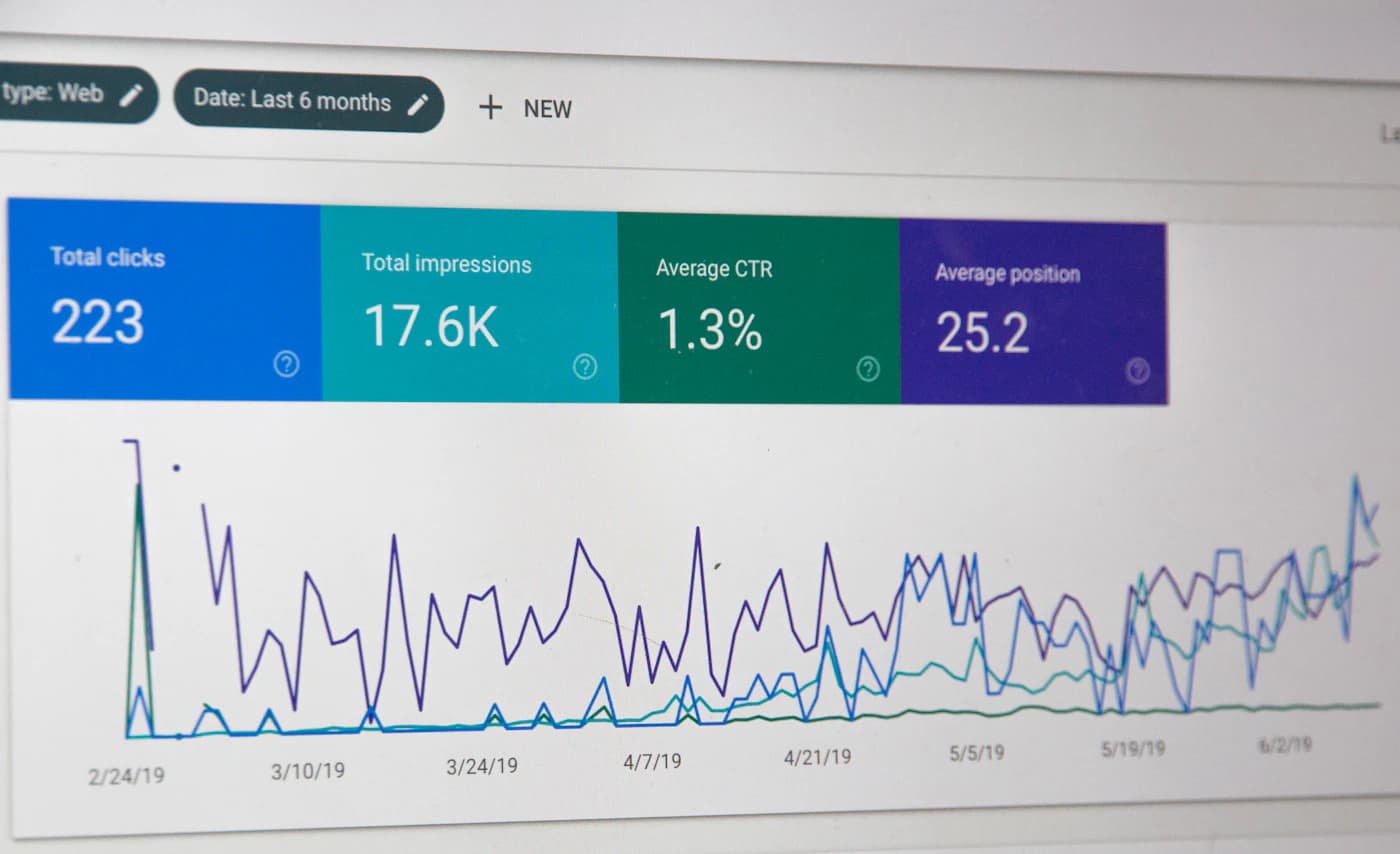
When a business problem needs machine learning, and when it does not
Rules, classic machine learning or a large language model? A practical way to choose, with examples from spam filtering, recommendations and price prediction.

How an AI appointment setter books appointments without double-booking
A live slot hold stops two callers taking the same appointment time. Here is how an AI appointment setter books safely.

Website plus CRM: what a small business actually needs
You need a website that saves every lead and a simple pipeline to follow up. Here is the short list.